
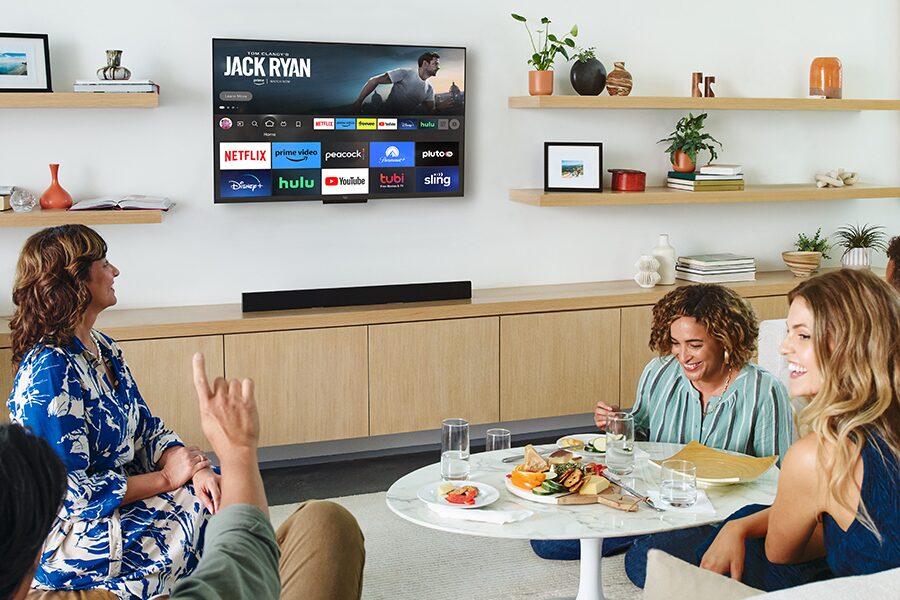
A big 4K TV discount can feel like a tiny jackpot. You see a 65-inch screen, a red sale badge, and a “was” price that makes the markdown look almost too good to ignore.
The problem is that some TV deals are designed to look dramatic, not necessarily to save you serious money.
A real bargain is not just about the percentage on the page. It is about the normal selling price, the model year, the features, and whether that “limited offer” would still be sitting there next week.
Why 4K TV Discounts Can Look Bigger Than They Are
TV pricing is full of reference numbers: RRP, list price, previous price, or a crossed-out “was” price beside the current deal. That comparison matters because the bigger number frames the smaller one.
The FTC’s Guides Against Deceptive Pricing say a former price should be a real, bona fide price used for a reasonable period, not an artificial number created to support a later reduction.
Canada’s Competition Bureau gives similar guidance, saying an ordinary price cannot be inflated to create the illusion of a better deal. So when you see “40% off,” pause and ask: off what, exactly?

Start With The Real Price, Not The Red Sticker
The easiest mistake is judging a TV by the size of the discount instead of the quality of the current price. A “$400 off” badge sounds great, but it may only mean the TV is back to the price it often sells for.
Think of it like using a paraphrasing tool: the polished version may look cleaner, but you still need to check the meaning underneath. With 4K TV deals, the polished wording is the sale banner. The meaning underneath is the recent price history.
Search the exact model, compare at least three retailers, and treat the lowest normal street price as your real starting point.
Check Price History Before You Trust The Percentage
Price history is where inflated discounts usually start to fall apart. Which? analysed 175 home, tech, and health appliance deals from eight major retailers, tracking prices from May 2024 to May 2025, and found that 83% were cheaper or the same price at least once outside the four-week Black Friday sales period. That does not mean every TV sale is fake. It means the headline discount is not proof. Before buying, check whether:
- the current price beats the last 30 to 90 days;
- the “was” price appeared recently and stayed long enough to matter;
- another retailer sells the same model for less without calling it a sale.
Learn The TV Model Number Game
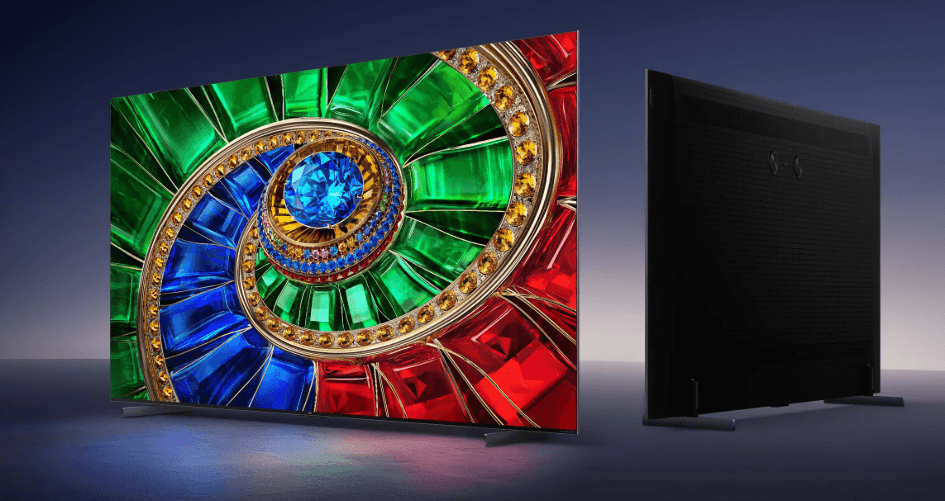
With 4K TVs, the model number often tells you more than the headline. A deal may look fresh, but the product code can reveal last year’s model, older clearance stock, or a retailer-specific variation that is harder to compare.
That is not always bad. CHOICE reported in June 2026 that many major TV brands clear previous-year stock from April to June, and older 2024 or 2025 models can still look and sound very good while costing much less.
The catch is simple: last year’s model should be priced like last year’s model. If the discount is based on a launch price nobody pays anymore, the saving is probably padded.
A Quick Reality Check For Any 4K TV Deal
A simple comparison table can stop you from getting pulled into the drama of a countdown timer. You do not need a complicated spreadsheet. You just need to separate the visible offer from the evidence behind it.
| Deal signal | What it may mean | What to check |
| Huge “was” price | Inflated anchor | Recent price history |
| Big discount on old model | Clearance stock | Release year and reviews |
| Retailer-only code | Harder comparison | Closest equivalent model |
| Free soundbar bundle | Value may be overstated | Separate prices of each item |
After that, ask the boring question: would this still look good if the discount badge disappeared? If yes, you may have a real deal.
Watch For Deal Language That Creates Panic
Urgency can be useful when stock is genuinely limited, but it can also rush a weak decision. The Competition Bureau flags urgency cues such as countdown timers that reset, limited-time offers that continue after the deadline, and low-stock claims that do not change over time. TV retailers know shoppers fear missing a once-a-year discount, especially around Black Friday, Cyber Monday, and clearance season.
Important rule: a deadline is only useful information if the price is genuinely rare, the model is clearly identified, and the same “ending soon” sale has not been running for days.

Compare Specs, Not Just Screen Size
Two 55-inch 4K TVs can be completely different products. One may have basic LED lighting, another may use Mini LED local dimming, and another may be an OLED with much better contrast.
Refresh rate, HDR performance, HDMI 2.1 ports, brightness, viewing angles, processor quality, and smart TV software all affect value.
That is why “65-inch 4K TV under $500” is not automatically a bargain. It might be fine for casual streaming, but weak for sports, gaming, or bright rooms.
Compare the full model code, panel type, release year, warranty, and return policy. A smaller real upgrade often beats a huge screen with a fake-looking discount.
FAQs
These extra questions come up once the price starts looking good, but you still want to avoid a regret purchase.
1. Is an older 4K TV always a bad buy?
No. An older model can be smart if reviews are strong, apps are still supported, and the price reflects its age. The issue is paying a “new model” price for clearance stock.
2. Are open-box 4K TV deals worth considering?
They can be, but inspect the screen for burn-in, dead pixels, damaged ports, and missing accessories. Also check whether the return policy is shorter than usual.
3. Should I pay more for OLED or Mini LED during a sale?
Only if the upgrade fits your room. OLED is great for contrast in darker rooms, while Mini LED can be better for bright spaces and daytime viewing.
4. Can a bundle hide an inflated TV discount?
Yes. Bundles can make weak pricing look better by adding accessories with exaggerated values. Price the TV and extras separately before judging the saving.
At last
A good TV deal should make you feel informed, not rushed. The discount percentage is just the loudest part of the page, and sometimes it is the least useful one.
Once you check price history, model year, exact specs, and total cost, inflated offers become much easier to spot. The goal is not to distrust every sale. It is to buy with a clearer head. When the TV fits your needs and the price is genuinely lower than usual, that is when the red sticker finally means something.